- Stainless Steel Surface Treatment: Methods and Applications Explained
Stainless steel is widely used in industrial applications for its durability and corrosion resistance. However, without proper surface treatment, it may not perform well in specific environments such as cleanrooms.
In this article, we’ll explore five major types of stainless steel surface treatment and how each one enhances performance and cleanliness.
1. Mechanical Surface Treatment
Mechanical treatment improves surface texture and removes defects. The most common types include:
Grinding
Grinding smooths rough surfaces and removes welding marks. It is ideal for base processing.
Polishing
Polishing increases gloss and creates a mirror finish. It also helps reduce bacterial adhesion.
Brushing
Brushed finishes provide an aesthetic matte effect. However, they are not recommended for cleanrooms because the grooves can trap dust and bacteria.
Important Note:
For cleanroom use, we:
- Avoid brushed surfaces
- Use sealed, fully welded structures
- Recommend regular cleaning with alcohol wipes
2. Chemical Treatment Methods
Chemical methods change the metal surface at a microscopic level. This improves corrosion resistance and cleanliness.
Pickling
Pickling removes oxidation and scale from welding. It restores the original appearance.
Passivation
Passivation forms a protective chromium oxide layer. This makes the surface more resistant to corrosion.
These treatments are often used after cutting or welding processes.
3. Electrochemical Surface Treatment
Electrochemical treatment uses electricity to refine the stainless steel surface.
Electroplating
Electroplating applies a metal coating such as chromium or nickel. This boosts corrosion resistance and strength.
Electropolishing
Electropolishing smooths the surface by removing microscopic peaks. It creates a bright, easy-to-clean finish.
Anodic Oxidation
This process creates an oxide film by using electrochemical reactions. It improves hardness and insulation.
Electrochemical methods are common in medical and semiconductor equipment.
4. Surface Coating Technologies
Surface coatings add an additional layer for protection or decoration.
Common types include:
- Powder coating
- Paint coating
- Fluorocarbon coating
These coatings protect against corrosion, wear, and chemical exposure. They are ideal for environments that require color coding or extra durability.
5. Laser Surface Treatment
Laser treatment uses focused energy to change the stainless steel surface. This method is fast, clean, and chemical-free.
Key Benefits:
- Engraves labels, logos, or batch numbers
- Creates uniform surface textures
- Enhances anti-bacterial properties
Laser treatment is widely used in medical, pharmaceutical, and electronic manufacturing.
Applications in Cleanroom Equipment
At Detall, we use various surface treatments to build cleanroom furniture. This includes:
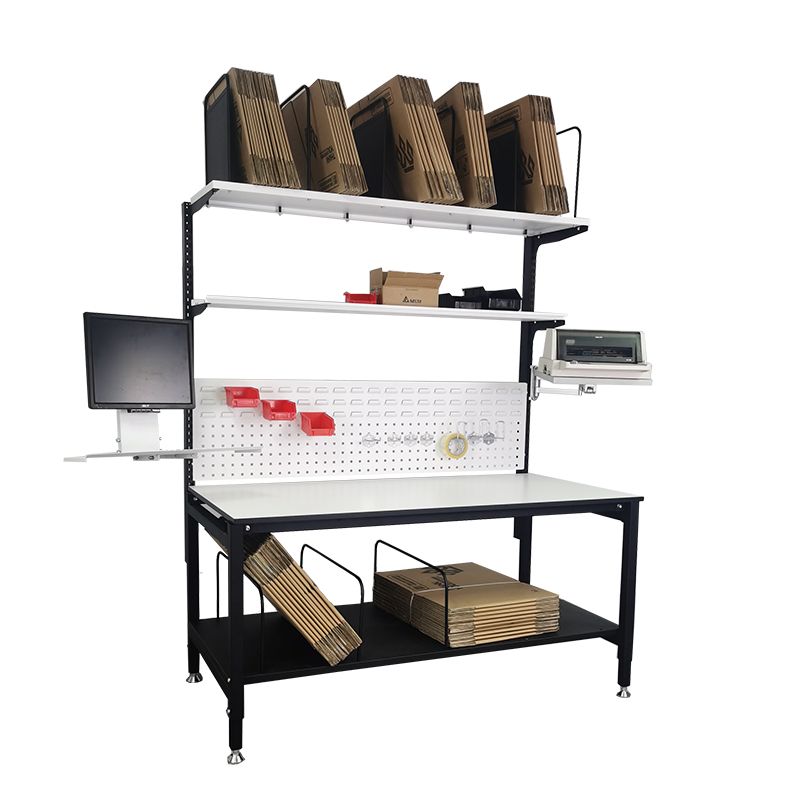
- Stainless steel workbenches
- Mobile carts
- Shelving systems
We choose treatment methods that:
- Prevent contamination
- Improve chemical resistance
- Make cleaning easier
- Meet cleanroom regulations
For example, we avoid brushed surfaces and sharp edges to reduce dust accumulation.
📸 Image Suggestions with ALT Text
Stainless steel workbench in ISO cleanroomPolished mobile cart with seamless cornersLaser-etched stainless steel shelf for pharma use
Final Thoughts
Choosing the right stainless steel surface treatment is crucial for performance and hygiene. Each method offers specific benefits depending on the application.
Need help selecting the right finish for your cleanroom?
Contact our team—we’ll recommend the best solution based on your needs and standards.