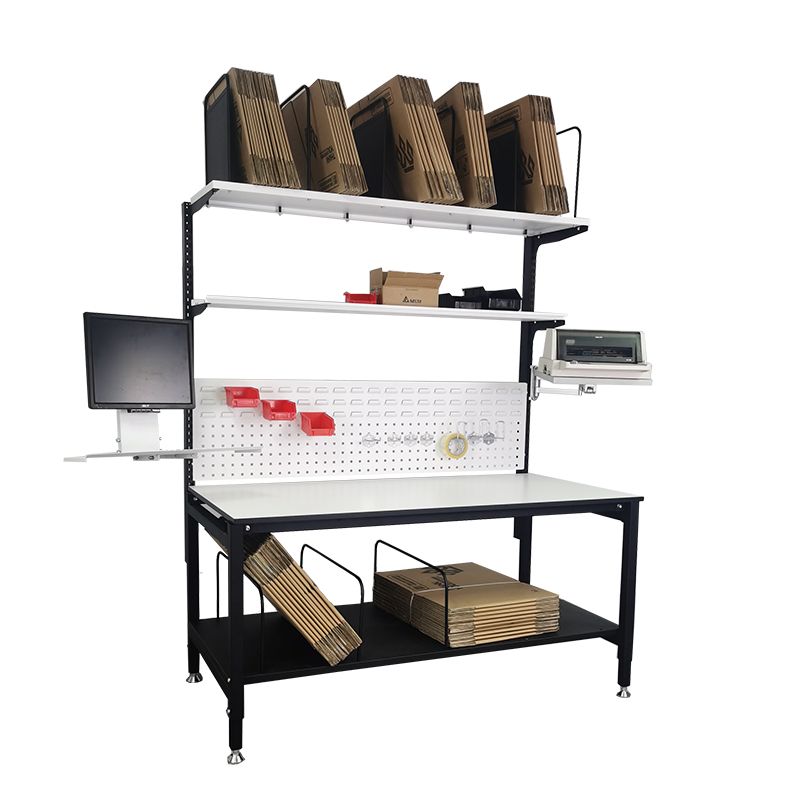
- Sheet Metal Fabrication Process Explained
Sheet metal fabrication is a widely used technique in manufacturing and construction. It involves a series of precise steps to turn raw metal sheets into functional products.
Below is a clear breakdown of the key steps involved in sheet metal processing.
1. Design and Planning
The process begins with understanding customer needs and product requirements.
Designers create technical drawings that specify:
- Material type
- Product dimensions
- Shape and features
A clear plan ensures efficient downstream operations.
2. Material Preparation
Next, workers select appropriate sheet metal materials, such as:
- Cold-rolled steel
- Stainless steel
They then cut the material to size according to the design. This step ensures the raw pieces are ready for processing.
3. Pre-Processing Treatment
Before fabrication begins, the surface must be treated.
Common treatments include:
- Degreasing
- Removing oxide layers
- Ensuring surface flatness and smoothness
Typically, pickling and phosphating are used for effective surface cleaning.
4. Process Selection
Based on material type and product design, workers select the most suitable processing methods.
Common techniques include:
- Bending with a CNC press brake
- Stamping with a punch press
- Shearing using a cutting machine
- Welding for structural assembly
Each method plays a specific role in shaping the final product.
5. Processing Operations
At this stage, technicians execute the required operations:
- Bending forms precise angles
- Stamping adds holes or cutouts
- Shearing cuts sheets to shape
- Welding joins components together
Skilled operators ensure quality through careful execution.
6. Surface Treatment
After forming, surface finishing enhances appearance and durability.
Common surface finishes include:
- Powder coating
- Electroplating
- Polishing
These treatments increase resistance to corrosion and wear, while improving product aesthetics.
7. Assembly and Inspection
If the product consists of multiple parts, they are assembled according to the technical drawing.
Technicians inspect each unit to ensure:
- Proper fit and alignment
- No sharp edges or defects
- Full functionality
Corrections are made as needed to meet quality standards.
8. Final Inspection and Packaging
Before shipment, all products undergo a final quality check.
Inspectors verify:
- Dimensions
- Appearance
- Functional performance
Then, workers package the items to protect them from damage during transport and storage.
Conclusion
Each step in the sheet metal fabrication process demands attention to detail and quality control.
Accurate planning, proper equipment, and skilled operation ensure the final product meets customer expectations.
Meanwhile, the rise of automated sheet metal machinery has significantly improved both production speed and quality—making modern sheet metal fabrication more efficient than ever.