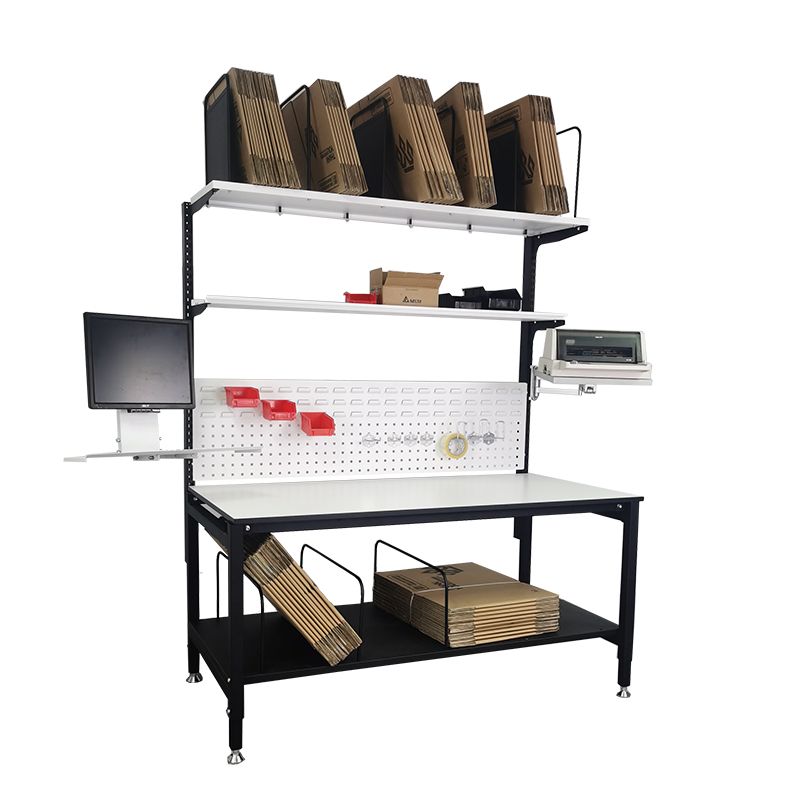
- How to Prevent Static Electricity Hazards on the Workbench
Static electricity is a critical concern in the electronics manufacturing industry. If not properly controlled, it can damage sensitive electronic components, reduce product quality, and even pose health risks to workers. Therefore, understanding how to prevent static hazards on the workbench is essential for any electronics workspace.
Why Static Electricity is Dangerous
Electrostatic discharge (ESD) can cause several issues on the workbench, such as:
-
Component Damage
Static electricity can build up on the surface of electronic parts, leading to sudden discharges that damage components or cause complete equipment failure. -
Poor Product Quality
ESD can affect the stability and reliability of electronic devices, resulting in inconsistent product performance or defects. -
Health Risks to Staff
In some cases, electrostatic discharge can harm employees, potentially causing eye, skin, or respiratory system irritation.
5 Effective Ways to Prevent Static Electricity Hazards
To maintain a safe and ESD-free work environment, consider the following preventive measures:
1. Use an Anti-Static Workbench
An anti-static workbench helps safely discharge static electricity to the ground. This is one of the most effective ways to protect electronics from ESD damage during assembly or inspection.
2. Maintain Proper Humidity
Keeping the humidity level between 40% and 60% can significantly reduce the risk of electrostatic buildup. A dry environment increases the chances of static generation, especially when materials rub against each other.
3. Use ESD Protective Equipment
Wearing anti-static gloves, using ESD floor mats, and equipping staff with ESD-safe footwear can minimize static transfer. These items are designed to conduct static charges away from sensitive devices.
4. Apply ESD Safety Tools
Using specialized tools like ESD-safe brushes, vacuum cleaners, and tweezers ensures that no static charge is introduced while handling electronics.
5. Follow Correct Operating Procedures
Proper training and adherence to anti-static procedures—such as grounding yourself before handling components and using ESD equipment correctly—can greatly reduce electrostatic discharge incidents.
Conclusion
To sum up, static electricity can have serious consequences on the workbench, especially in electronics manufacturing. By implementing anti-static workbenches, maintaining optimal humidity, using proper ESD gear, and following safety practices, you can effectively minimize the risks and improve overall production quality.