- Why ESD Workbenches Are Essential in Static-Sensitive Industries
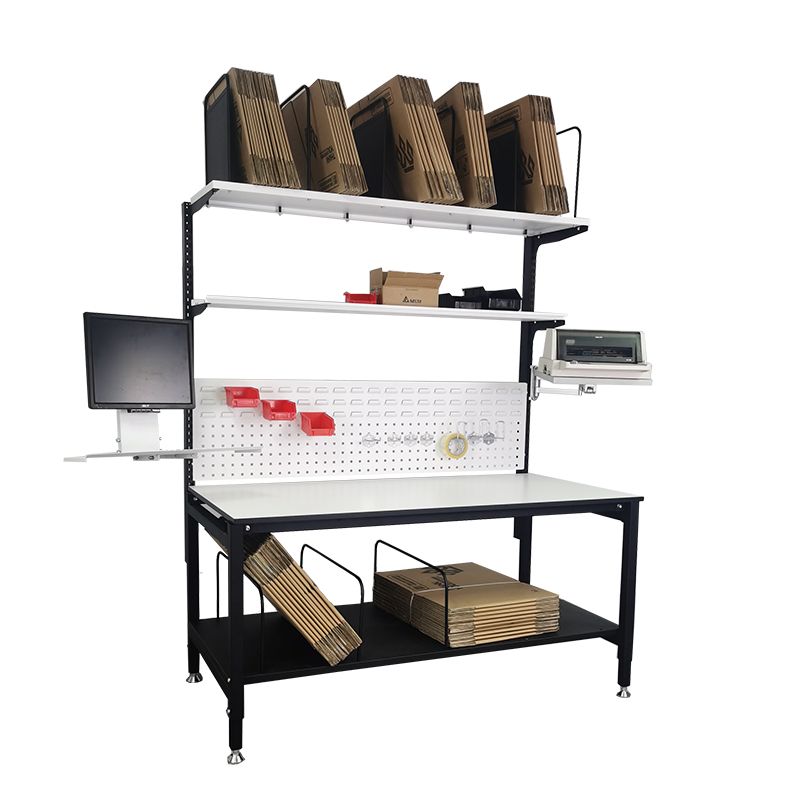
In today’s technologically advanced work environments, ESD workbenches (Electrostatic Discharge workbenches) are indispensable for ensuring operational safety and efficiency—particularly in static-sensitive sectors like electronics manufacturing, semiconductors, and precision instrumentation.
Electrostatic discharge can result in equipment failure, data loss, or even fire hazards. To mitigate these risks, properly designed ESD workstations are crucial. They minimize static buildup, protect sensitive components, and ensure workplace safety.
Key Design Elements of an ESD Workbench
To deliver optimal protection, an ESD workbench must incorporate the following core components:
- Material Selection: Use of anti-static and conductive materials, such as metal frames or specialized coatings, to reduce static generation.
- Grounding System: A reliable grounding mechanism ensures that static charges are safely discharged.
- Static Elimination Devices: Ionizing air blowers or fans help neutralize static charges in the work area.
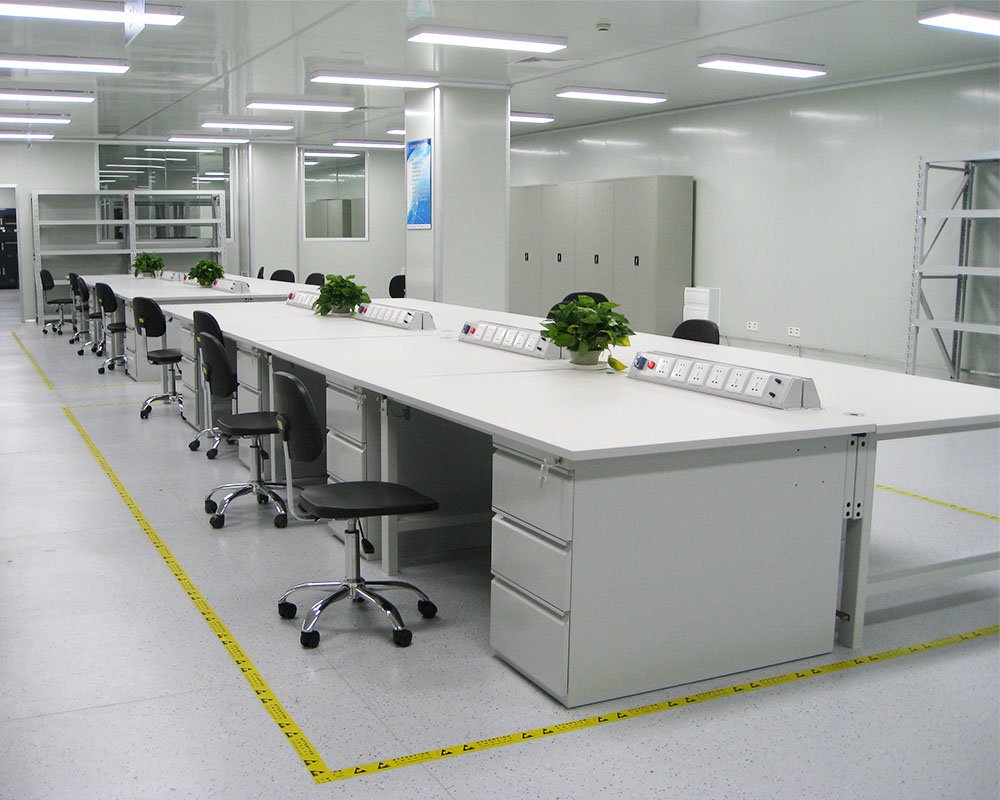
- Anti-Static Boundaries: Design features such as edge borders help isolate the workstation from static-prone surroundings.
- Surface Protection: Work surfaces should be layered with static-dissipative mats or coatings to create a static-safe zone.
Common Application Scenarios
1. Electronics Manufacturing
In electronics assembly, even small static charges can damage microchips and capacitors. Using a dedicated static protection workbench helps prevent costly defects and improves yield rates.
2. Laboratory Environments
For labs conducting sensitive measurements, stable electrostatic conditions are crucial. ESD workbenches enable repeatable and accurate testing by protecting both instruments and samples from interference.
3. Medical Equipment Maintenance
Medical devices contain sensitive electronics that must function reliably. ESD benches protect them during maintenance, ensuring patient safety and equipment performance.
The Role of ESD Workbenches in Manufacturing
In high-precision manufacturing, where static-sensitive components are handled daily, ESD workbenches are more than a safety measure—they’re a productivity tool. They reduce production delays, component failure rates, and help maintain consistent quality control standards.
Enhancing Environmental Responsibility
Another advantage of using ESD benches is their role in environmental stewardship. By reducing static-related waste and failure, companies can lower material loss and reduce the emission of electrostatic pollutants in sensitive areas.
Commitment to Continuous Improvement
To fully leverage the benefits of ESD workstations:
- Perform regular inspections and grounding checks.
- Replace worn materials or surfaces as needed.
- Provide staff training on proper handling of ESD-sensitive items.
A well-trained team supported by well-maintained equipment can greatly improve workplace safety and operational efficiency.
Driving Innovation in Static Control
As work environments evolve, so must the tools within them. The future of ESD workbenches lies in:
- Smart technology integration (e.g., real-time charge monitoring)
- Sustainable materials for environmentally friendly design
- Modular systems that allow customization across industries
These innovations will allow companies to better address static challenges while maintaining high standards of performance and adaptability.
Conclusion: Investing in ESD Workbenches for a Safer Tomorrow
In conclusion, ESD workbenches are not just a specialized tool—they are a strategic investment in safety, efficiency, and reliability. By implementing well-designed ESD workstations and encouraging regular use, businesses can protect both their workforce and their bottom line.
To explore high-quality ESD workbench solutions, contact us today.