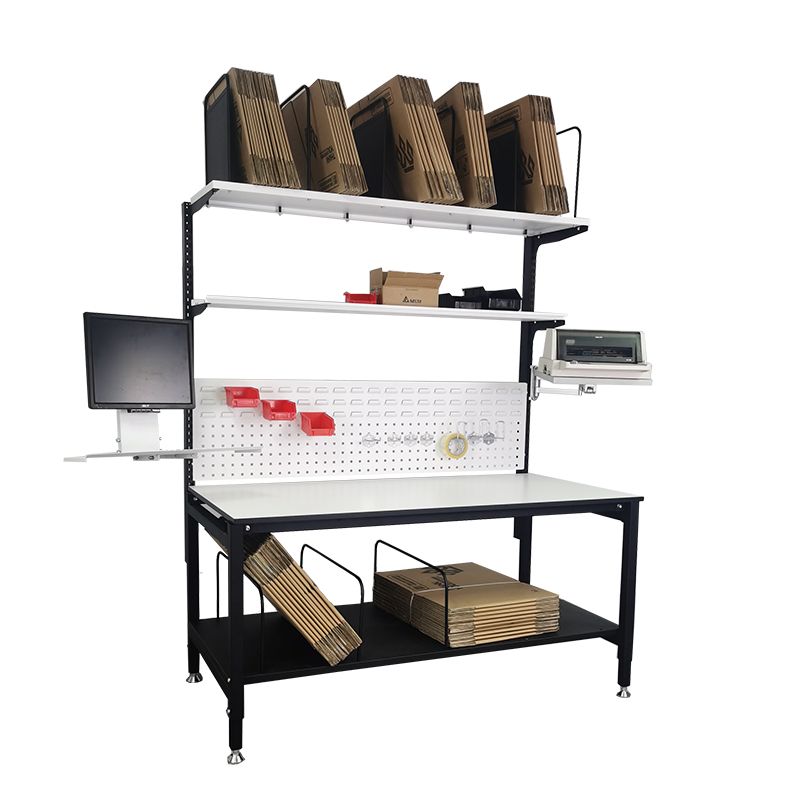
- How to Test an Antistatic Workbench: A Practical Guide
Testing an antistatic workbench is essential for keeping sensitive electronics safe. This guide explains how to test it properly based on international standards like IEC 61340-5-1.
1. Why Testing Matters
Antistatic workbenches protect components from static electricity. If the table doesn’t perform well, it can lead to damaged parts, product failures, or safety issues.
Regular testing ensures reliable protection and long-term performance.
2. Get Ready Before Testing
2.1 Visual and Surface Check
Before testing:
- Inspect the table for cracks, warps, or damage.
- Wipe the surface clean to remove dust and oil.
- Confirm grounding is connected using a resistance tester.
2.2 Tools You Will Need
Make sure you have:
- Electrostatic voltmeter
- Grounding resistance tester
- Humidity and temperature monitor
2.3 Check Room Conditions
Testing conditions should be:
- Temperature: 16°C to 28°C
- Humidity: 45% to 75%
Record the actual values if they fall outside the recommended range.
3. Perform Surface Resistance Test
3.1 How to Measure
Place the voltmeter probes at different points—horizontal, vertical, and diagonal—on the table surface.
3.2 Target Results
According to IEC 61340-5-1, the surface resistance should be:
- Between 10⁵ and 10⁹ ohms
If resistance falls outside this range, clean, repair, or replace the surface and test again.
4. Check Grounding Resistance
4.1 Connect and Test
Use a grounding tester. Connect one end to the table’s grounding point and the other to your facility’s ground system.
4.2 Pass Criteria
The grounding resistance must be:
- Less than 10⁹ ohms
If the value is too high, inspect the cable, connectors, or grounding bar, then fix the issue.
5. Record and Act on Results
- Write down all test values clearly.
- Compare each reading with the IEC standards.
- If all values are within range, the table is ready for use.
- If any value is out of range, repair or replace the table and retest.
6. Final Tips for Long-Term Use
- Test the workbench every 3–6 months, or as your company’s policy requires.
- Keep cables, mats, and grounding points clean.
- Replace damaged parts immediately.
- Train staff to check the grounding cord before use.
Summary
A properly tested antistatic workbench protects your products, staff, and systems. By following these steps, you stay compliant with international standards and maintain a safe working environment.
Need help choosing or maintaining an ESD workbench?
📩 Contact us for design consultation, test support, or ready-made options tailored to your workflow.