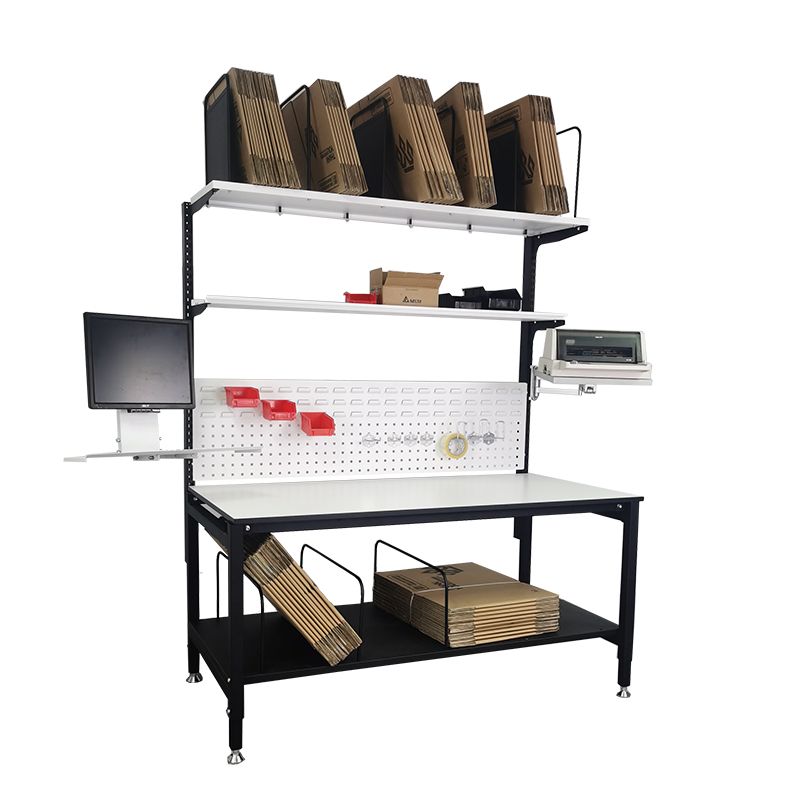
- Common Problems with Anti-Static Workbenches and How to Solve Them
Anti-static workbenches are essential in electronics manufacturing, but like all equipment, they can encounter issues over time. Understanding these problems and their solutions can help ensure optimal performance and safety in the workspace.
1. Static Electricity Discharge
One of the most frequent issues is unexpected static electricity discharge. This may result from:
- Improper grounding
- Damaged or faulty equipment
- Low humidity in the work environment
Solution:
Regularly check the grounding system, replace any defective equipment, and maintain humidity between 40%–60% to reduce ESD buildup.
2. ESD Damage to Components
Even on anti-static surfaces, electrostatic discharge can still damage sensitive components—especially if workers use non-ESD-safe tools or handle parts incorrectly.
Solution:
Use only ESD-safe tools and strictly follow standard ESD handling procedures to protect components.
3. Equipment Failure
Anti-static workbenches can also experience general equipment malfunctions, such as:
- Power surges
- Overheating
- Component wear and tear
Solution:
Establish a routine maintenance schedule, inspect connections regularly, and install surge protection systems to extend the workbench’s lifespan.
4. Inadequate Lighting
Poor lighting at the workstation can lead to eye fatigue and reduce work accuracy.
Solution:
Use bright, energy-efficient lighting—such as LED fixtures—and position them to minimize glare and shadows.
5. Fixed Height Workbench Discomfort
Some anti-static workbenches do not support height adjustment, which can lead to worker discomfort and reduced efficiency.
Solution:
Consider using height-adjustable workbenches. Alternatively, provide ergonomic accessories like footrests or adjustable chairs to improve posture and comfort.
Conclusion
To summarize, anti-static workbenches can experience a range of issues—from ESD risks to ergonomic and lighting problems. However, with regular maintenance, proper handling procedures, and the right tools, most of these challenges can be easily resolved. Investing in the right solutions ensures a safer and more efficient electronic manufacturing environment.