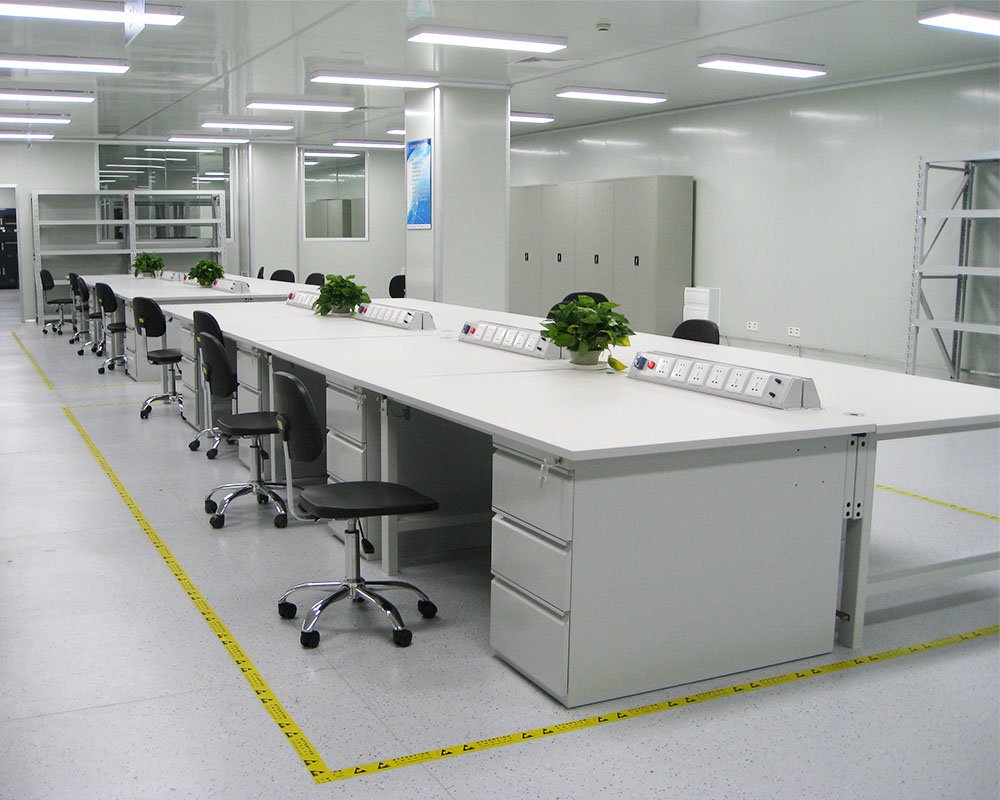
- 7 Essential Grounding Tips for Safe Use of Anti Static Workbenches
Proper grounding is critical when using anti-static workbenches. Effective grounding can help remove static electricity and protect equipment and personnel from static hazards.
1. Type of Grounding Wire
Use grounding wires made of highly conductive materials such as copper bars or copper wire, typically 6mm in diameter. Always choose reliable, quality grounding wires and avoid using aged or damaged ones.
2. Grounding Sockets
Make sure to use standard grounding sockets and confirm solid contact between the socket and the building’s earth. Regularly inspect sockets for wear, damage, or looseness.
3. Grounding Test
Test the grounding resistance of your anti-static workbench regularly to ensure it meets standard safety requirements. Use professional testing equipment to identify and fix issues promptly.
4. Grounding Mark
Place visible grounding labels on the workbench to remind users to connect grounding wires properly. Provide employee training to reinforce proper ESD workstation usage.
5. Environmental Control
Controlling humidity levels helps minimize static build-up. Keep the workstation area clean and free from dust or debris that might interfere with proper grounding.
6. Troubleshooting
If you detect poor wire contact or increased grounding resistance, stop using the bench immediately and perform diagnostics and repairs before resuming operations.
7. Continuous Improvement
With evolving technology and working conditions, regularly update your workbench’s grounding design and safety protocols to maintain a secure and effective anti-static environment.
By following these tips, you can effectively reduce static risks, improve operational efficiency, and enhance the safety of both personnel and equipment.

Watch Anti-static Workbench Test Video